
What does it mean to be a good man in 2026?
It's a question that seems to be everywhere at the moment. From conversations about masculinity and mental health, to debates about fatherhood, male identity and the role of men in modern society. As a society, we seem to be increasingly thinking about what positive male role models look like, and why they matter.
It could well be, though, that some of the best examples of these role models aren't found immediately in the public eye. Maybe they're found in ordinary homes, around kitchen tables, at school gates or on the sideline of a Saturday morning football match. Maybe they’re men who have chosen to foster.
It’s International Men's Day, and today we've written this blog post to celebrate the men who open their homes and their hearts to young people who need someone in their corner. Because we think that fostering offers a powerful example of what positive masculinity can look like in practice. An example that’s not thought of enough in the public consciousness and deserves its appreciation!
More than just being a father figure

For young people who have experienced difficult beginnings, relationships with adults can be complicated. Some may have experienced inconsistency, neglect, loss or trauma. Some may have had difficult experiences with men in particular. For these young people, having a positive male presence in their lives can be incredibly meaningful.
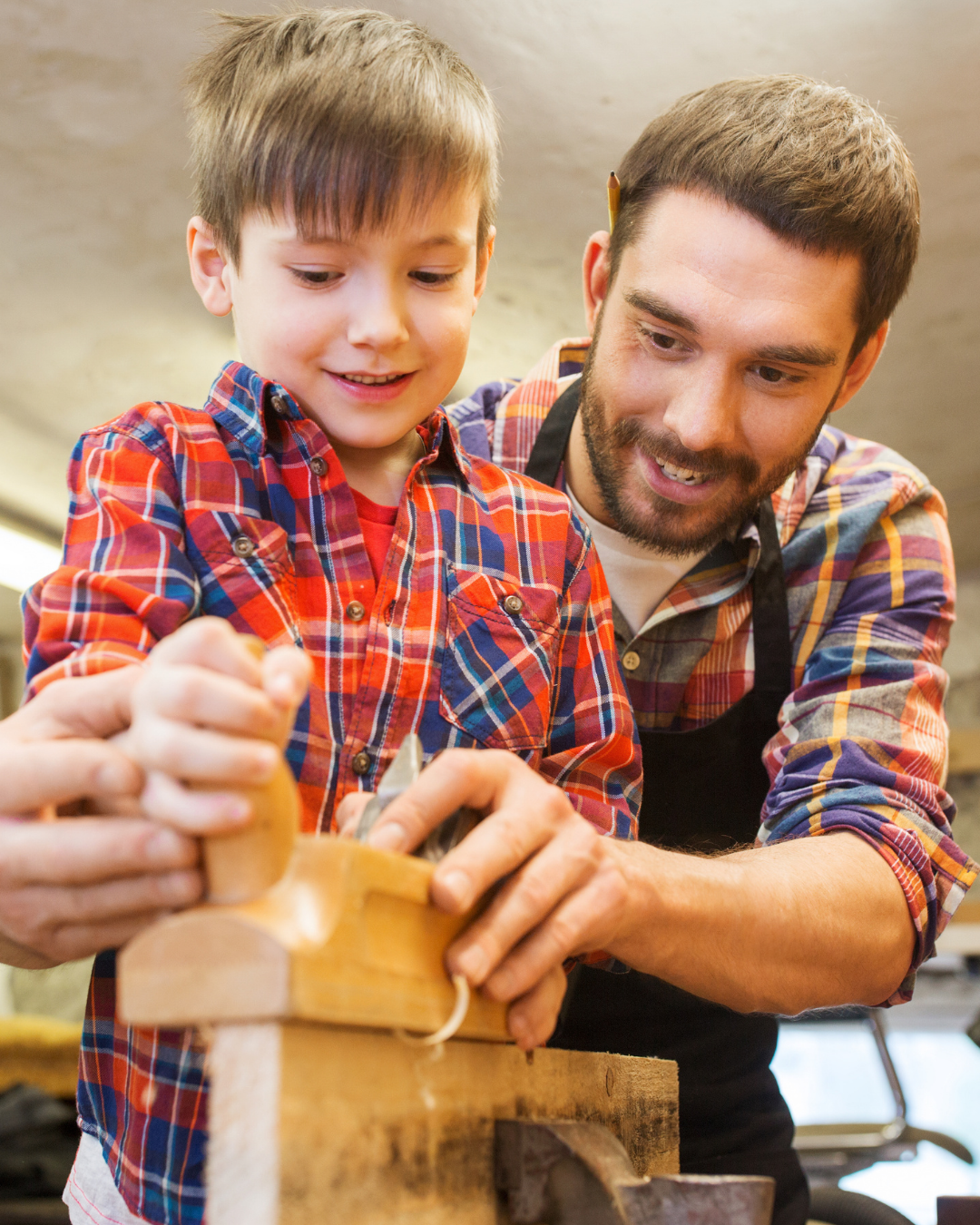
A male foster carer might be the person who patiently helps with homework, listens when a child has had a difficult day, turns up to watch them at clubs or sports games, or simply makes sure they're there at bedtime. These things might seem ordinary, but for a young person who hasn't always experienced consistency, they can mean more than anything in the world.
It's not about being a perfect role model. At the end of the day, men who step up to become foster carers are still only human, after all. What it’s about is showing up, keeping promises, offering reassurance and demonstrating that men can be caring, nurturing, patient and emotionally available.
Sometimes the most important thing a man can teach a child isn't something he says. It's what he demonstrates through his actions every day.
Research by Philip Heslop, published in the journal Adoption & Fostering, explored the experiences of 23 foster fathers. His research highlighted the complexity of their contribution to children's lives, including their emotional, practical and nurturing roles. It also challenged the limited ways in which men's contribution to foster care has traditionally been understood.
Read: How I care – Foster fathers recount their experiences of caring for children.
A different kind of masculinity
There's an important conversation happening about masculinity in modern society.
For generations, traditional expectations have often encouraged men to be strong, self-reliant and emotionally reserved. They’ve been expected to fill the roles of breadwinners and disciplinarians, with emotional wellbeing left to be considered the pursue mother figures.
From our perspective, fostering challenges the idea that strength and vulnerability are somehow incompatible. It takes strength to be patient when a child is struggling. It takes courage to show emotion, to admit you don't have all the answers and to ask for help when things are difficult.
It takes commitment to keep showing up, particularly when a child finds it difficult to trust you.
At Community Foster Care (CFC), these qualities are reflected in the values that underpin everything we do.
Our values include Integrity, Courage, Creativity, Community Commitment, Tenacity and Ambition.
They're not simply words on a website. They're qualities that we believe are essential to creating better futures for children and young people.
Integrity means being someone a child can trust. Courage means being willing to face challenges, reflect and learn. Tenacity means sticking by children and young people, even when things become difficult. And ambition means believing in their potential, sometimes before they can see it themselves.
These are also qualities that can redefine what it means to be a positive male role model.
Being a good man doesn't mean conforming to a particular idea of masculinity. It means demonstrating kindness, compassion, patience and emotional strength. It’s something every child deserves to experience.
It takes a community to raise a child
At CFC, our purpose is simple: to enable all children to thrive in a loving family.
Our mission is to work in and with communities to grow the potential of people who can provide nurturing care through therapeutic foster parenting.
An important part of our approach is recognising that children don't all arrive in foster care with the same experiences or needs. Many have experienced trauma, loss or uncertainty, and helping them thrive requires more than simply providing a roof over their heads. It means creating relationships in which they can feel safe, understood and valued.
It does in fact take a community to raise a child, and that community needs people from all walks of life: Men included.
Men absolutely have an important part to play in our communities, whether they're fostering as part of a couple or as single foster carers. Their contribution isn't about replacing anyone or fulfilling a particular stereotype of fatherhood. It's about bringing their own experiences, personalities, strengths and capacity to care into a child's life.
We also recognise that nobody must have all the answers from day one. Therapeutic fostering is about being open to learning, developing and understanding the needs of the child in your care. Our foster carers are supported throughout that journey.
You don't have to be a parent already, be married or fit a particular family stereotype. What matters is having the capacity, commitment and willingness to provide a safe and nurturing home.
Where are all the men who foster?
Despite the important contribution male foster carers can make, their role is often overlooked.

Fostering is still sometimes perceived as something predominantly undertaken by women, with men seen as the supporting partner rather than an equally important carer in their own right. That perception needs to change, because when we look at the amazing male foster carers that are with us at CFC, we don’t just see simple support players that chip in every once and a while. They’re stepping up to play active roles in the lives of the young people that are with them.
Men can foster as part of a couple or as single carers. They don't need to have children of their own, be married or fit a particular family stereotype. What matters is having the commitment, stability and capacity to provide a safe and supportive home.
Our commitment to inclusive and diverse communities means looking beyond assumptions about who a foster carer should be. We want to find people who share our values, rather than people who simply fit a particular background or mould.
And there is no single mould of what a foster carer should look like.
We need more men to recognise that fostering is something they can do, and that their contribution can make a lasting difference.
A national need: an opportunity to make a difference
The need for more foster carers has never been more pressing.
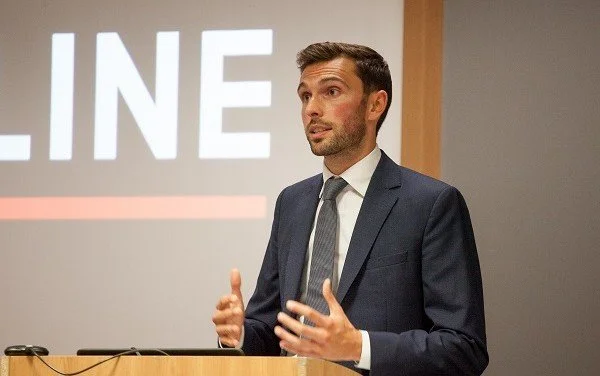
In October 2026, the Department for Education launched a new national recruitment campaign, encouraging more people across England to consider fostering.
The Government has set an ambition to create 10,000 additional foster care places by the end of this Parliament. This follows a 12% fall in the number of approved foster carers since 2019, at a time when more children need care.
The campaign is also challenging some of the assumptions that may prevent people from considering fostering in the first place. It recognises that fostering needs people from different backgrounds, family structures and walks of life.
This is an important message for men as well.
You don't have to be a traditional dad. You don't have to fit a particular stereotype or have everything figured out. You simply need to be open to the possibility that you could offer a child something incredibly valuable: a safe, stable and supportive relationship.
The national campaign is an important opportunity to rethink who we encourage to foster. We believe that building brighter futures for children means reaching out to people who may never previously have considered themselves as potential foster carers.
Read the Department for Education's announcement about the national fostering recruitment campaign.
This International Men's Day, let's celebrate the men who care
International Men's Day is an opportunity to recognise the positive contributions men make to their families and communities, and to encourage a healthier conversation about what it means to be a man.
We often talk about the importance of positive male role models for children and young people. But perhaps we should also be asking how we can encourage more men to become those role models.
Foster carers don't set out to be heroes. They don't necessarily expect recognition or praise. They simply make a decision to offer a child a place in their home and a chance to experience the consistency, care and encouragement every child deserves.
And that, perhaps, is what positive masculinity looks like.
It's integrity. It's courage. It's tenacity. It's showing compassion, being emotionally available and recognising that sometimes the strongest thing you can do is simply be there for someone else.
So, this International Men's Day, let's celebrate the men who listen, nurture, encourage, reassure and care.
If you're a man that’s ever wondered if fostering might be something you could do, perhaps now is the time to find out. You don't have to change the world for every child. But you could change the world for one.
ENQUIRE TODAY
To learn more about International Men’s Day and find out things you can do to celebrate, feel free to look at all the helpful resources and suggestions on their official website.
